Understanding Tracking Data in the Cloud and the Data Life Cycle
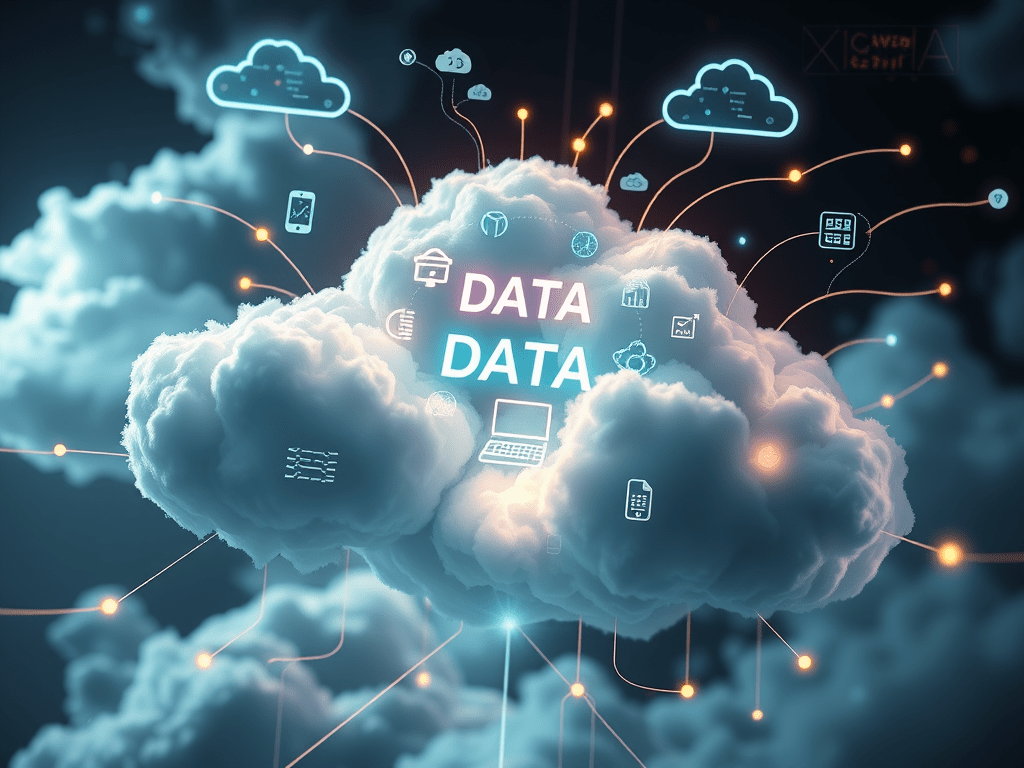
In the era of digital transformation, organizations increasingly rely on cloud platforms for managing data. This evolution allows for robust data tracking and management, ensuring enhanced accessibility, security, and scalability. However, efficient data handling requires an understanding of the data life cycle, a crucial framework for managing data from inception to disposal. In this article, we delve into the intricacies of tracking data in the cloud and explore each phase of the data life cycle.
The Role of Cloud in Data Tracking
Cloud computing has revolutionized the way data is stored, accessed, and analyzed. Organizations can now harness vast amounts of data without investing in expensive infrastructure. The cloud enables real-time data tracking through several benefits:
- Scalability: Cloud platforms offer flexible storage and processing capabilities that can be scaled up or down based on demand.
- Accessibility: Data can be accessed from anywhere at any time, promoting collaboration and agility.
- Security: Advanced encryption and authentication protocols safeguard sensitive information.
- Cost Efficiency: Pay-as-you-go models reduce overhead costs associated with traditional data centers.
These attributes make cloud platforms indispensable in efficiently tracking and managing data.
Stages of the Data Life Cycle
The data life cycle consists of several stages, each crucial for maintaining data integrity and usability. Here’s a detailed look at each stage:
1. Data Creation
Data is generated from various sources such as applications, sensors, and user inputs. This is the first stage where raw data is captured and stored in the cloud. It is imperative to validate and structure this data for accuracy and consistency.
2. Data Storage
Once created, data needs to be stored securely. Cloud storage solutions like Amazon S3, Google Cloud Storage, and Microsoft Azure Blob Storage ensure data is safely preserved and easily retrievable. Proper indexing and metadata tagging enhance searchability.
3. Data Processing
In this stage, raw data is processed and transformed into actionable information. This involves data cleaning, integration, and conversion, utilizing cloud-based data lakes or data warehouses for more complex computation and analytics.
4. Data Analysis
Data analysis aims to extract insights and support decision-making processes. Tools such as BigQuery, RedShift, or Azure Synapse Analytics facilitate sophisticated analytics and reporting through machine learning algorithms or advanced data querying techniques.
5. Data Sharing
After analysis, results must be disseminated to relevant stakeholders. Cloud platforms provide various data-sharing features, ensuring controlled and secure access, while maintaining data privacy and compliance with relevant regulations.
6. Data Archiving
Data with long-term value needs to be archived properly. Archiving optimizes storage costs and maintains data accessibility for future reference. Services like Glacier and Azure Archive Storage are designed for this purpose.
7. Data Disposal
Finally, once data becomes obsolete or unnecessary, it should be safely disposed of to free up resources and comply with data protection laws. Data disposal ensures sensitive data does not pose security risks.
Best Practices for Cloud Data Management
To ensure effective cloud data management throughout the life cycle, organizations should adopt the following best practices:
| Practice | Description |
| Data Governance | Establish policies and procedures to manage data quality, integrity, security, and privacy. |
| Automation | Utilize automation tools for routine data operations to minimize human error and save time. |
| Regular Audits | Conduct regular audits to assess data security and compliance with industry standards. |
| Backup and Recovery | Implement robust backup and recovery solutions to protect against data loss or cyber threats. |
| Training | Invest in employee training programs to enhance skills in cloud data management and analysis. |
Understanding the dynamics of cloud data tracking and the data life cycle is pivotal for modern organizations. By leveraging the cloud’s capabilities and adhering to best practices, companies can unlock the full potential of their data assets, drive innovation, and maintain a competitive edge in the digital landscape. Whether it’s ensuring data security, optimizing storage, or enhancing decision-making through analytics, the cloud and the efficient management of the data life cycle are integral to navigating today’s data-driven world.
 Storm Cloud Security
Leave a comment